Insights from Figure Skating Designers
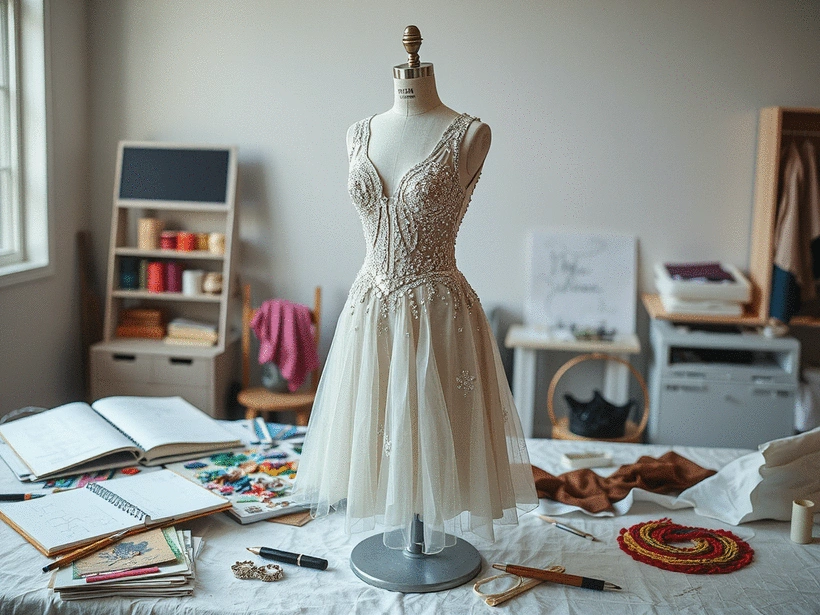
What if your costume could tell a story? In the world of figure skating, each dress is a narrative woven through fabric and design, reflecting the skater's artistry and personality. Let's explore the key insights into the craft of figure skating dress design.
What You Will Learn
- Figure skating costumes uniquely blend functionality and artistic expression, allowing skaters to move freely while looking stunning.
- Choosing the right fabrics, such as chiffon and stretch velvet, ensures comfort and enhances visual impact during performances.
- Color theory is pivotal in costume design, influencing both the skater's performance and the audience's emotional response.
- Current market trends are shifting towards sustainability, vibrant colors, functional designs, and personalized elements in skating fashion.
Key Elements in Figure Skating Dress Design
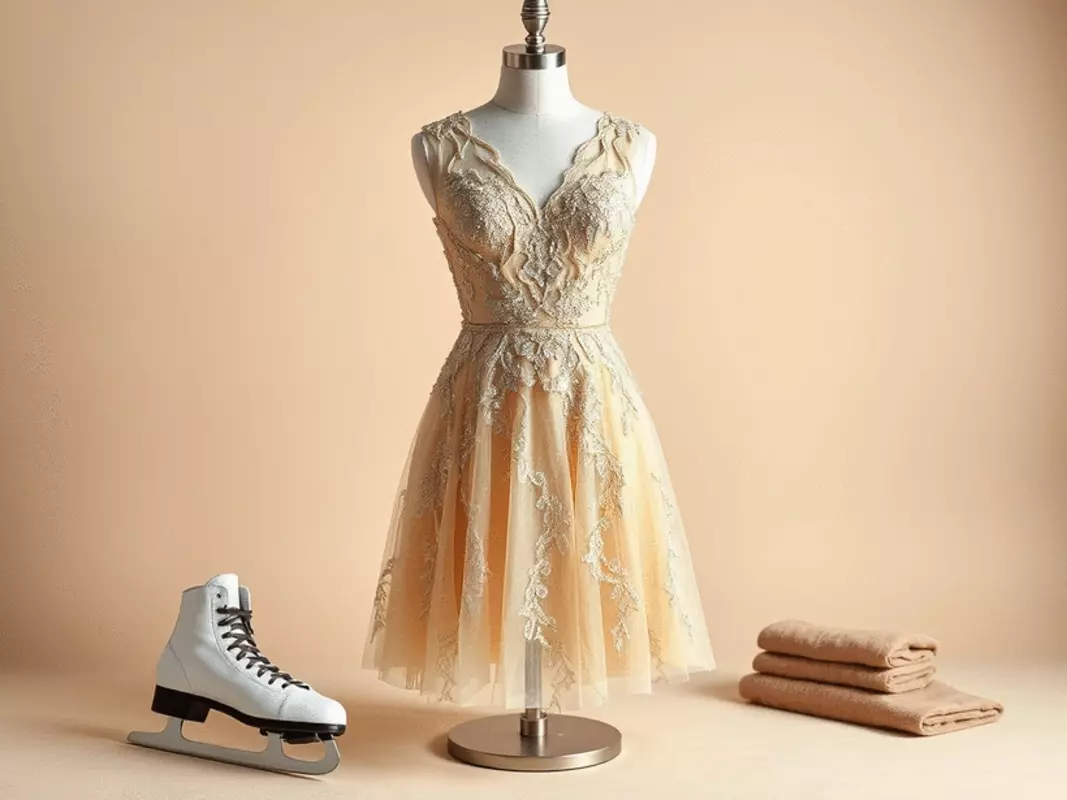
Figure skating dresses are a blend of artistic expression and functionality. The visual below highlights the critical factors that make these costumes unique, focusing on their design, fabric, and aesthetic impact.
Design Uniqueness: Functionality & Artistry
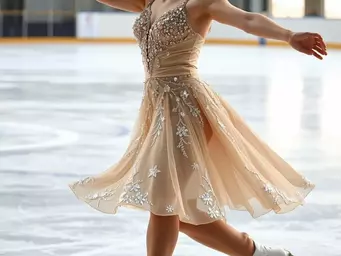
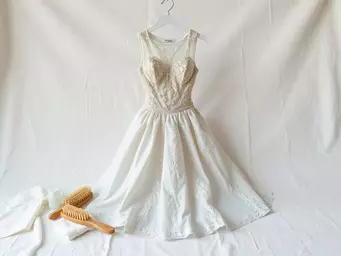
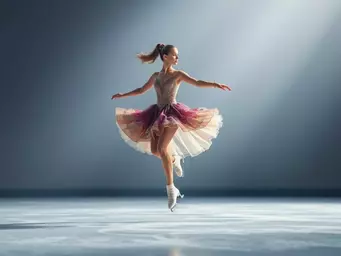
Figure skating costumes blend functionality with artistic expression. They enable freedom of movement for jumps and spins while creating visual impact with embellishments. Each dress reflects the skater's character and routine theme, harmonizing beauty and performance.
- ✓ Freedom of Movement
- ✓ Visual Impact
- ✓ Personal Expression
Fabric & Crystal Choices: Performance Enhancement
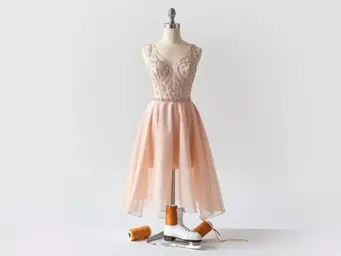
Fabric selection is crucial for performance. Breathable, stretchy materials like chiffon or stretch velvet ensure comfort and flexibility. Strategically placed crystals enhance movement, catch light, and accentuate the color scheme, adding depth to the design.
- ✓ Breathable Fabrics
- ✓ Stretch & Flexibility
- ✓ Color & Shine (Crystals)
Visual Identity: Expressing the Narrative
A costume's visual identity aligns with the skater's routine narrative. Color schemes evoke emotions, while silhouettes influence movement perception. Unique patterns and textures add depth, creating a cohesive and memorable presentation that resonates with the audience and judges.
- ✓ Color Schemes (Emotion)
- ✓ Silhouette (Movement)
- ✓ Patterns & Textures
Color Theory: Influencing Performance & Perception
Color theory profoundly impacts costume design. Warm colors convey energy, while cool colors suggest elegance. High-contrast colors ensure visibility, and personalized choices resonate with the skater's style, elevating overall performance and audience reception.
- ✓ Energy & Dynamics
- ✓ Contrast & Visibility
- ✓ Personal Resonance
Understanding the Craft of Figure Skating Dress Design
As a passionate figure skating enthusiast and fashion designer, I often find myself captivated by the unique artistry behind figure skating dresses. These costumes are not just garments; they serve as an extension of a skater's identity on the ice. Each dress is meticulously crafted to reflect not only the performance style but also the personality of the skater. So, what makes figure skating costumes stand out from other performance attire? Let’s dive in!
What Makes Figure Skating Costumes Unique?
Figure skating costumes blend functionality with artistic expression, creating a truly unique category of performance wear. Unlike traditional dance costumes, they must allow freedom of movement during intense routines while also showcasing beauty and elegance. As noted by Niko Cohen, a designer featured by Boston University, the challenge lies in creating costumes that are both practical and visually striking. Here are some defining features of figure skating dresses:
- Freedom of Movement: The design must enable skaters to execute jumps and spins without constraints.
- Visual Impact: Costumes are often adorned with embellishments like crystals and sequins that catch the arena lights, enhancing the performance.
- Personal Expression: Each dress tells a story, reflecting the skater's character and the theme of their routine.
In essence, the artistry lies in creating a dress that harmonizes these elements, allowing skaters to shine both literally and figuratively on the ice!
The Role of Fabric and Crystal Choices in Dress Design
Fabric selection is one of the most critical aspects of designing figure skating costumes. The right material can make all the difference in a skater's performance. Soft fabrics like chiffon or stretch velvet not only provide comfort but also create a stunning visual effect. Crystal choices are equally important—strategically placed crystals can enhance movement and draw attention to key elements of a performance. The Smithsonian National Museum of American History highlights how these embellishments have evolved to become central to the visual spectacle of figure skating.
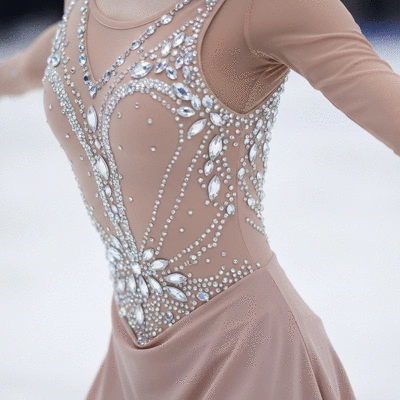
- Breathable Fabrics: Fabrics that allow airflow are essential for comfort during long performances.
- Stretch and Flexibility: Materials with elasticity ensure that the dress moves with the skater's body.
- Color and Shine: The choice of crystals can accentuate the overall color scheme, adding depth and dimension to the design.
Choosing the right combination of fabrics and embellishments can create a dress that not only looks gorgeous but also performs exceptionally well during competitions.
Exploring Skating Aesthetics: The Visual Identity of Costumes
Every skater brings a unique vision to their performance, and their costume plays a pivotal role in expressing that vision. The visual identity of a costume intertwines with the narrative of the skater's routine. It’s fascinating to consider how colors, styles, and designs contribute to a cohesive presentation.
- Color Schemes: Bold colors can evoke emotions, while softer hues might convey grace and elegance.
- Silhouette: The shape of the dress can influence how a skater's movements are perceived; flowing lines can enhance fluidity.
- Patterns and Textures: Unique patterns can add an additional layer of storytelling within a performance.
Ultimately, the design must align with the skater's artistry, creating a memorable image that resonates with the audience and judges alike.
Color Theory in Figure Skating: How Color Influences Performance
Color theory plays a significant role in figure skating costume design. Different colors can evoke various emotions and perceptions, influencing both the skater's performance and audience reception. For instance, warm colors like red and orange may convey energy and passion, while cool colors like blue and purple can suggest calmness and elegance. Understanding this can provide skaters with an edge in their performance.
- Energy and Dynamics: Bright colors can enhance a dynamic routine, making it more engaging.
- Contrast and Visibility: High-contrast colors ensure skaters stand out against the ice, crucial for competitions.
- Personal Resonance: Ultimately, colors should resonate with the skater’s personal style and the emotion they're trying to convey.
As I create designs for the Figure Skating Dress Boutique, I always consider how color will influence the overall impact of the costume. Choosing the right palette can truly elevate a performance to new heights!
Frequently Asked Questions About Figure Skating Dress Design
What makes figure skating costumes different from other performance attire?
Figure skating costumes uniquely blend functionality with artistic expression, allowing freedom of movement for complex maneuvers while incorporating embellishments and designs that contribute to the skater's visual presentation and routine theme.
What types of fabrics are best for figure skating dresses?
Fabrics like chiffon and stretch velvet are highly recommended due to their breathability, elasticity, and comfort. These materials ensure maximum flexibility, allowing skaters to perform jumps and spins without restriction.
How do crystals and embellishments enhance a figure skating performance?
Strategically placed crystals and other embellishments catch the arena lights, adding sparkle and visual interest. They highlight movement, accentuate the costume's color scheme, and contribute to the overall aesthetic impact, making the performance more captivating for judges and the audience.
How does color theory apply to figure skating costume design?
Color theory is crucial for influencing perception and emotion. Warm colors (e.g., red, orange) can convey energy, while cool colors (e.g., blue, purple) suggest elegance. High-contrast colors increase visibility, and personalized color choices help the dress resonate with the skater's style and routine narrative.
What are the current trends in figure skating fashion?
Current trends include a focus on sustainability with eco-friendly materials, the use of vibrant colors and unique patterns, functional designs that prioritize both style and performance, and increased demand for personalized elements that reflect individual skater identities.
Pro Tip
When selecting fabrics for figure skating dresses, consider not only the aesthetic appeal but also the practical aspects. Look for materials that are both breathable and flexible, such as chiffon or stretch velvet, to ensure maximum comfort and movement. Additionally, choose embellishments that enhance rather than overwhelm the design; strategically placed crystals can highlight the skater’s movements beautifully without distracting from their performance.
Reflections on the Art and Business of Dress Design
Creating figure skating costumes is more than just a task; it's a passionate pursuit that brings immense emotional rewards. Every dress tells a story, expressing the unique artistry of the skater while also reflecting the designer’s vision. As I work with skaters to bring their ideas to life, I often witness the joy and pride that a well-crafted dress can inspire. This connection between the designer and the skater is what makes costume design such a fulfilling experience!
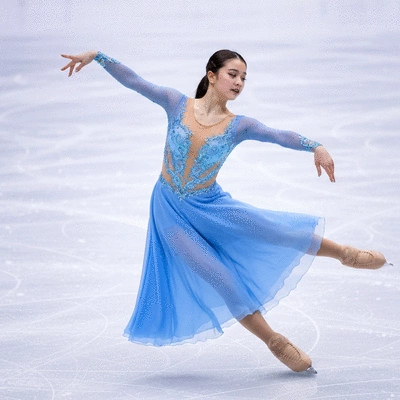
When a skater steps onto the ice wearing a dress that resonates with their spirit, it’s truly magical. I remember a moment when one of my clients, after donning her custom dress, felt like she could conquer the world! Seeing her confidence elevate was a reminder of why I dedicate my life to this craft.
The Emotional Rewards of Creating Figure Skating Costumes
The creative process behind each dress is enriched by the emotions tied to figure skating itself. Designers, like myself, often find fulfillment in:
- Connecting with skaters: Listening to their stories and visions.
- Bringing ideas to life: Transforming concepts into stunning reality.
- Celebrating individuality: Crafting costumes that showcase each skater’s unique personality.
- Witnessing performances: The joy of seeing a skater shine in a dress you designed!
Each of these aspects fuels our passion, reminding us of the importance of our work in the skating community.
Evaluating the Business Models of Costume Designers
Figure skating dress design is not just an art; it’s a business that requires strategic thinking. It’s essential to evaluate various business models that can support sustainable growth while ensuring quality and artistry are never compromised. Skate Canada's experts often provide insights into the practicalities of costume design, including business considerations. Here are some common models that designers like me utilize:
- Custom Orders: Tailored designs that meet specific skater needs, allowing for a more personal touch.
- Ready-to-Wear Collections: Creating dresses that can be sold off the rack, appealing to those needing quick access.
- Collaborations: Partnering with brands or other designers to expand reach and offer unique collections.
- Workshops and Tutorials: Sharing knowledge through teaching, which can also be a revenue stream.
Understanding these models helps designers navigate the competitive landscape while allowing them to focus on their craft.
Market Trends in Skating Fashion: Adapting to New Demands
The world of figure skating fashion is constantly evolving. As designers, we need to stay ahead of trends to meet the demands of modern skaters. Some current trends I've observed include:
- Sustainability: A growing emphasis on eco-friendly materials and practices.
- Vibrant Colors: Bold hues and unique patterns that stand out on the ice.
- Functional Designs: Dresses that balance style with performance, allowing for maximum movement.
- Personalization: Increased demand for unique, customized elements that reflect individual skater identities.
Staying aware of these trends not only allows designers to create relevant pieces, but it also empowers skaters to express themselves more freely on the ice! As I continue my journey in this field, I eagerly embrace these shifts, knowing they enrich the artistry of our work.
Recap of Key Points
Here is a quick recap of the important points discussed in the article:
- Unique Costumes: Figure skating dresses combine functionality and artistry, allowing freedom of movement while showcasing beauty and elegance.
- Fabric and Crystals: Choosing breathable, stretchy fabrics and strategically placed crystals enhances both comfort and visual impact during performances.
- Visual Identity: The costume's color scheme, silhouette, and patterns play a crucial role in expressing the skater's vision and enhancing their performance.
- Color Theory: Understanding how different colors influence emotions and perceptions can give skaters a competitive edge during performances.
- Business Models: Custom orders, ready-to-wear collections, and collaborations are effective business strategies for costume designers.
- Market Trends: Staying updated on trends such as sustainability, personalization, and functional designs is essential for meeting skater demands.