Sewing Figure Skating Dresses at Home
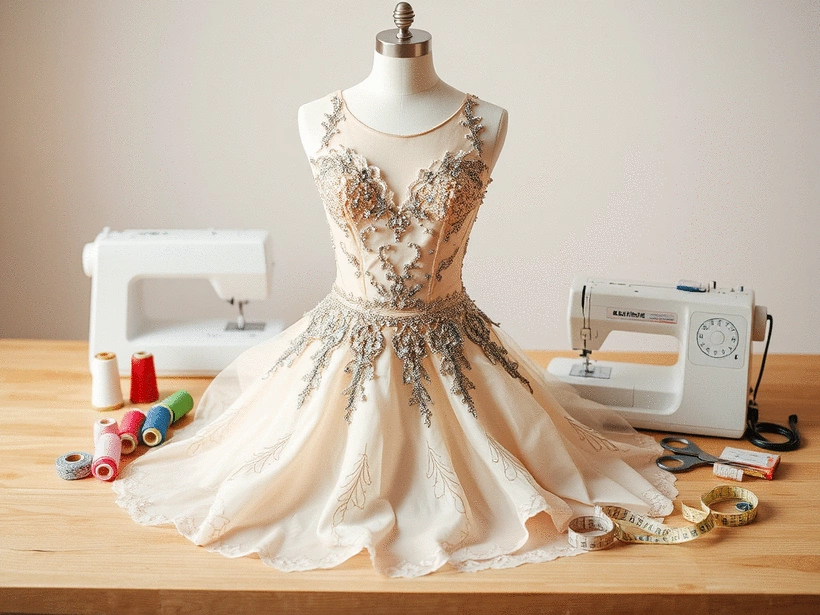
Crafting your own figure skating dress is more than just a sewing project; it’s a chance to express your artistry on the ice. Have you considered how the right combination of materials and techniques can elevate your performance? Let’s explore the essential elements you need to know!
What You Will Learn
- Understanding the unique characteristics of figure skating dresses, including their movement-friendly design and durability.
- The importance of selecting the right fabrics, such as stretch velvet and chiffon, for both aesthetics and performance.
- Essential tools and equipment needed for sewing, ensuring a professional finish for your skating dress.
- How to choose the appropriate sewing machine or serger and the right needle types for different fabric styles.
Understanding Key Fabrics for Figure Skating Dresses
Creating stunning figure skating dresses involves selecting the right fabrics for both aesthetics and performance. Here's a comparison of popular materials and their characteristics:
Stretch Fabrics: Performance & Flexibility
These materials are crucial for movement and comfort on the ice.
- Spandex Elasticity, Recovery
- Lycra Durability, Breathability
- Jersey Knit Comfort, Stretch
Aesthetic Fabrics: Style & Elegance
These materials add visual impact and unique design elements.
- Stretch Velvet Luxury, Drape
- Chiffon Lightweight, Layering
- Mesh Breathability, Overlay
Specialized Fabrics: Form & Support
These fabrics offer unique properties for specific design needs.
- Neoprene Structured Designs, Support
- Silk Elegance, Softness
Key Equipment: Serger vs. Sewing Machine
Choosing the right machine for stretch fabrics is essential for a professional finish.
- Serger Trims edges, clean finish for stretch fabrics.
- Sewing Machine Versatile, handles various stitches and fabrics.
Needle Types for Specific Fabrics
Using the correct needle prevents snags and skipped stitches.
- Universal Needles Woven & Knit Fabrics
- Ballpoint Needles For Knits, Prevents Snags
- Stretch Needles For Elastic Materials
Understanding the Essentials of Sewing Figure Skating Dresses at Home
Creating your own figure skating dresses can be a wonderfully fulfilling experience! It's not just about fashion; it's about expressing your unique artistry on the ice. When you sew a dress at home, you’re able to infuse your personal touch into every stitch, ensuring that your outfit stands out.
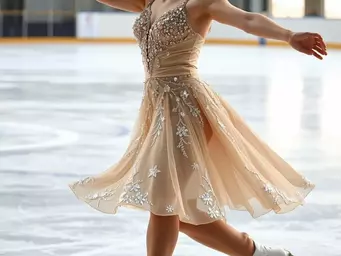
So, what exactly makes figure skating dresses unique? These dresses are designed not only for style but also for performance. They need to allow for flexibility, movement, and comfort while showcasing the skater's individuality. It’s a balance of form and function, and understanding this is the first step to crafting the perfect costume.
What Makes Figure Skating Dresses Unique?
Figure skating dresses possess several characteristics that set them apart from everyday garments. Here are some key features to consider:
- Movement-Friendly Design: The dress must allow for a full range of motion. For more detailed insights into the design process, consult this skating dress tutorial.
- Visual Impact: Dresses should have stunning aesthetics, often enhanced by embellishments like sequins and rhinestones.
- Durability: The fabric needs to withstand the rigors of training and competition.
- Comfort: Breathability and fit are crucial for performance.
When you start sewing, keep these essential qualities in mind. Each design choice should reflect both artistic vision and practical needs, ensuring that the skater feels confident and beautiful on the ice.
Key Materials for Crafting Stunning Skating Costumes
Choosing the right materials is critical for achieving a stunning skating dress that performs well. The fabric you choose can make a significant difference in look and feel. Here are some popular materials used in figure skating dresses:
- Stretch Velvet: Offers a luxurious appearance and excellent drape, making it a favorite choice.
- Chiffon: Lightweight and airy, perfect for layering and adding movement.
- Spandex: Provides flexibility and durability, ensuring that the dress moves with the skater.
- Mesh: Adds breathability and can be used as an overlay for added elegance. For techniques on incorporating mesh, refer to this guide on seamless mesh sleeves.
Each of these fabrics contributes to the overall design and comfort of the dress. As you explore your creative options, think about how these materials can best serve your skating style!
Popular Fabric Types Used in Figure Skating Dresses
When selecting fabric for your skating dress, it's essential to understand the different types and their benefits. Here are some of the most popular options:
- Neoprene: Great for structured designs, offering shape and support.
- Silk: Known for its elegance and softness, but requires careful handling!
- Jersey Knit: A comfortable and stretchy option that works well for fitted designs.
Choosing the right fabric doesn't just enhance the look of the dress, but it also plays a critical role in the skater's performance. Think about how each material will interact with the movements on the ice; it’s an essential part of the design process! You can gain further understanding by exploring resources like The Making of a Skating Dress.
Interactive Poll: Your Fabric Preference
As you embark on your dress-making journey, we want to know: Which fabric do you think is the most essential for crafting a figure skating dress? Choose one option below:
Choosing the Right Fabric and Equipment for Your Project
When it comes to creating a stunning figure skating dress, the fabric you choose is just as important as the design itself! This section will help you navigate the essential materials and tools needed to bring your vision to life.
Exploring Stretch Fabrics: Spandex, Lycra, and More
Stretch fabrics are the backbone of any figure skating dress, allowing for movement and flexibility on the ice. These materials not only provide comfort but also enhance your performance by moving with you. Here are some popular stretch fabric options to consider:
- Spandex: Known for its exceptional elasticity, spandex is often blended with other fabrics to add stretch and a comfortable fit.
- Lycra: A type of spandex, Lycra offers durability and breathability, making it perfect for high-performance skating.
- Mesh: Lightweight and breathable, mesh is ideal for layering and adding unique design elements without sacrificing mobility.
- Velvet: With a plush texture, velvet adds a touch of elegance while still providing some stretch, perfect for showcasing artistry on the ice.
Choosing the right fabric can make all the difference in your design. Consider how each option aligns with the look and feel you want to achieve!
Key Characteristics and Benefits of Each Fabric Type
Understanding the characteristics of each fabric type will help you make informed decisions. Here’s a quick breakdown:
- Spandex: Offers excellent recovery and stretch, ensuring your dress stays fitted during your routine.
- Lycra: Known for its durability and resistance to fading, perfect for competitive skaters.
- Mesh: Provides ventilation, making it a great choice for warmer competitions.
- Velvet: Adds a luxurious feel but may require more care in washing and maintenance.
By assessing these characteristics, you can choose materials that not only fit your design but also enhance your performance on the ice!
Essential Tools and Equipment to Have On Hand
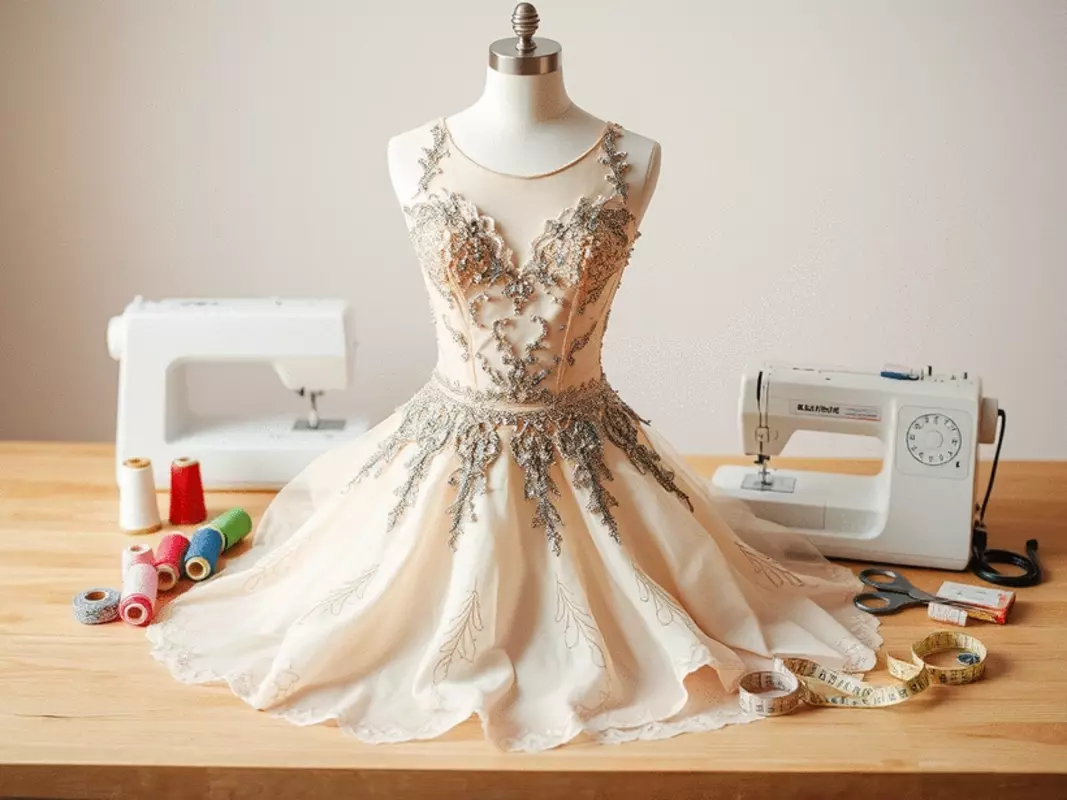
Having the right tools can significantly streamline your sewing process. Here’s a list of essential equipment you’ll want to gather:
- Sewing machine (or serger for stretch fabrics)
- Measuring tape and clear ruler
- Fabric scissors and rotary cutter
- Pins and fabric clips
- Iron and ironing board
These tools will not only help you in the initial stages of sewing but also in achieving that professional finish you’re aiming for!
Comparing Serger vs. Sewing Machine for Stretch Fabrics
Deciding between a serger and a sewing machine can be tricky. Both have their advantages! A serger is ideal for sewing stretch fabrics because it trims the edges as it stitches, which can create a clean finish that's perfect for stretchy materials. On the other hand, a sewing machine is versatile and can handle a variety of stitches, making it suitable for both woven and knit fabrics.
Understanding Needle Types and Their Importance in Sewing
The needle you choose plays a critical role in how your fabric will behave. Here’s what to keep in mind:
- Universal Needles: Good for woven and knit fabrics, these are your go-to for most projects.
- Ballpoint Needles: Ideal for knits, as they slide between fibers rather than piercing them, preventing snags.
- Stretch Needles: Specifically designed for elastic materials, these needles help prevent skipped stitches.
Investing in the right needles can help prevent frustration and ensure your dress turns out exactly as you imagined!
Frequently Asked Questions (FAQs)
- What makes figure skating dresses unique?
- Figure skating dresses are unique due to their movement-friendly design, visual impact, durability, and comfort, all of which are essential for performance on the ice.
- What are the best fabrics for figure skating dresses?
- Key fabrics include stretch velvet for luxury, chiffon for layering, spandex for flexibility and durability, and mesh for breathability and elegance.
- Which fabrics provide the most flexibility and support?
- Spandex and Lycra offer exceptional elasticity and durability, while neoprene can provide structured designs and support.
- Is a serger or a regular sewing machine better for stretch fabrics?
- A serger is highly recommended for stretch fabrics as it trims edges and creates clean finishes. A sewing machine is more versatile for various stitches and fabric types.
- Why are different needle types important when sewing figure skating dresses?
- Using the correct needle type (e.g., ballpoint for knits, stretch for elastic materials) is crucial to prevent snags, skipped stitches, and damage to delicate fabrics, ensuring a professional finish.
Recap of Key Points
Here is a quick recap of the important points discussed in the article:
- Movement-Friendly Design: Ensure your dress allows for a full range of motion to enhance performance.
- Visual Impact: Incorporate stunning aesthetics and embellishments to make your dress stand out.
- Durability and Comfort: Choose fabrics that are both durable and breathable for optimal performance on the ice.
- Fabric Selection: Utilize stretch velvet, chiffon, and spandex for flexibility and elegance.
- Essential Tools: Gather necessary tools like a sewing machine, scissors, and measuring tape for a seamless sewing process.
- Needle Types: Use the appropriate needle types to avoid fabric damage and ensure clean stitching.